Garmin G82 vs G80:
New Flagship or Closeout Deal?
Garmin replaced the G80 (the original GPS-plus-radar handheld) with the Approach G82 in January 2026. With G80 closeout stock around $389, here's exactly what the extra ~$210 buys and who should pocket the savings instead.
Most buyers should pay up for the G82. A GPS handheld is a five-plus-year purchase, and the G82's 5-inch screen, putting metrics, refreshed practice modes, and current-generation support runway are worth ~$210 spread over that life. The closeout G80 at ~$389 is the right call for one golfer specifically: you want course yardages plus basic radar warm-ups, you don't care about putting data, and saving $200+ on a discontinued-cycle device with a smaller screen doesn't bother you. Both share the core idea that made this category: full GPS and a real Doppler radar in one box.
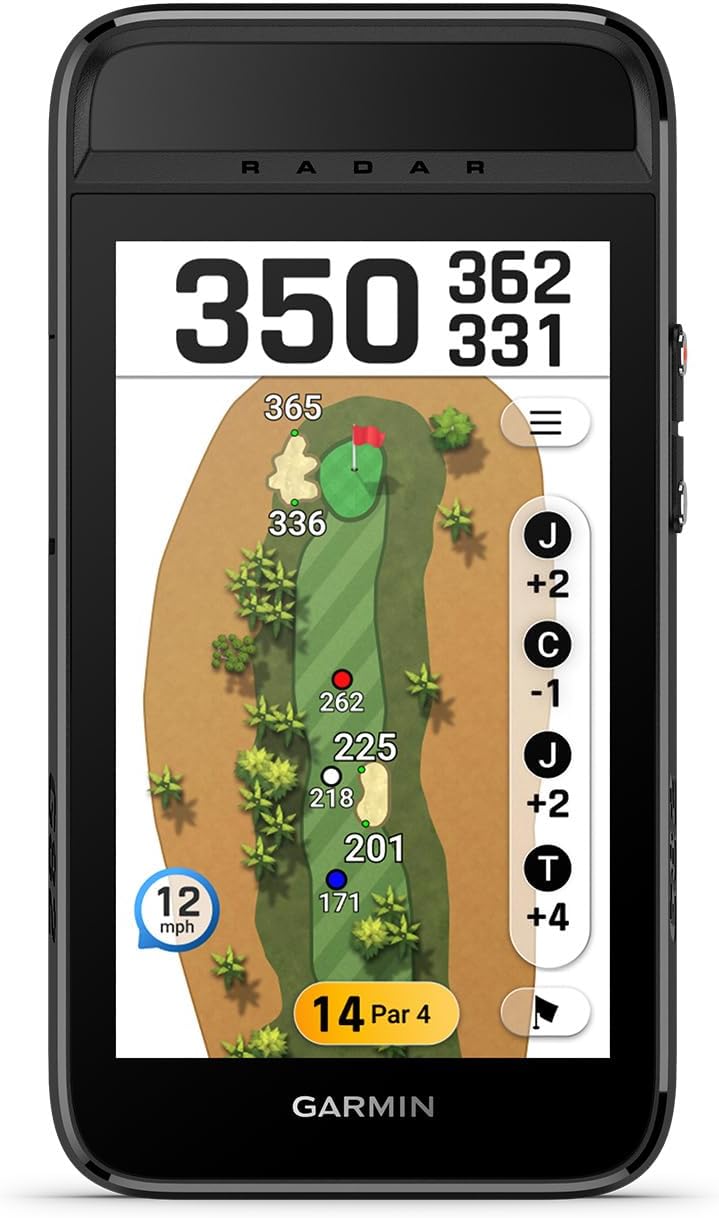
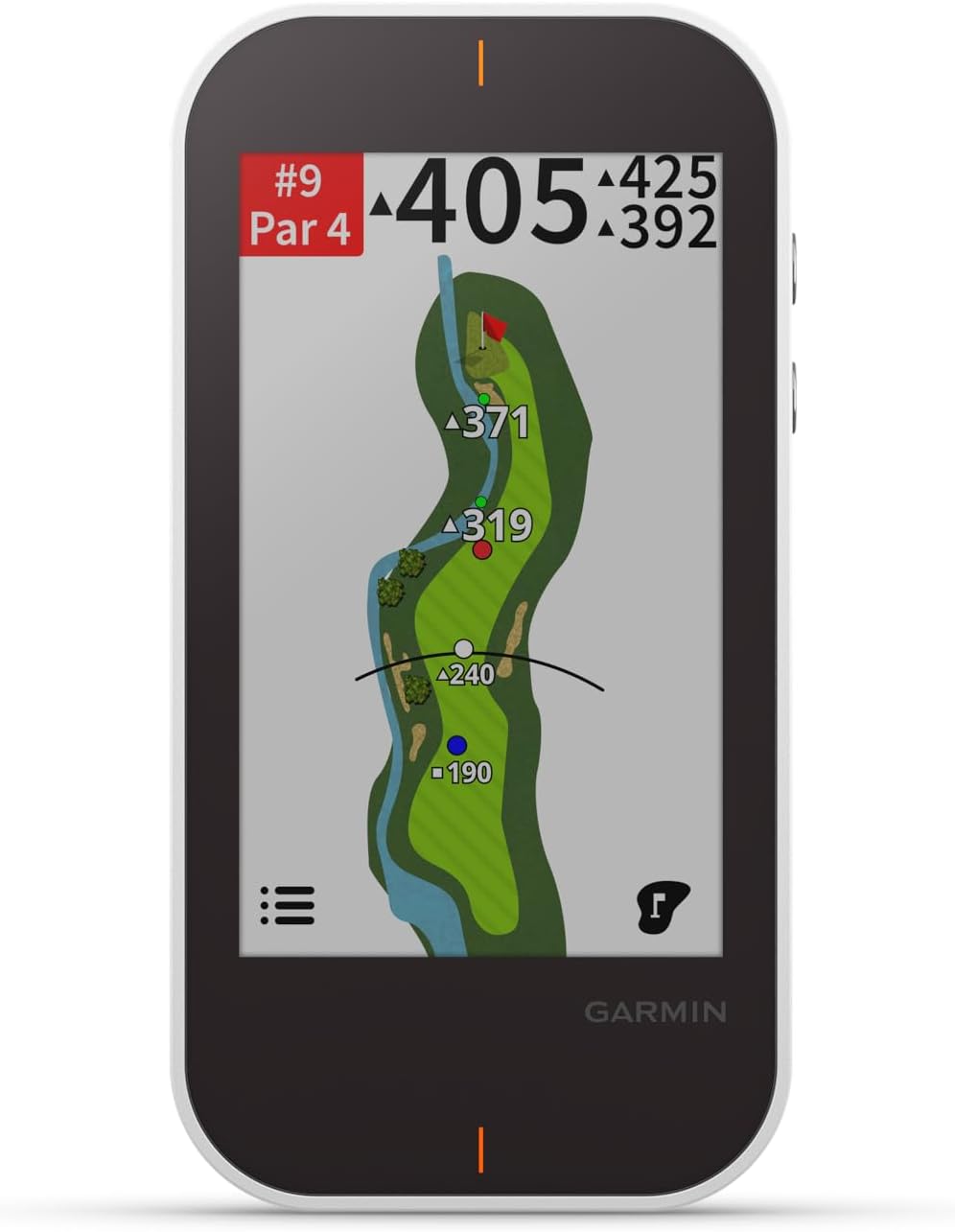
Manufacturer photos
Spec Comparison
| Approach G82 | Approach G80 | |
|---|---|---|
| Status | Current (Jan 2026) | Superseded: closeout |
| Price | $599.99† | $499.99 MSRP → ~$389 closeout |
| Display | 5" color touchscreen | 3.5" color touchscreen |
| Courses | 43,000+ | 41,000+ |
| Radar metrics | Ball speed, club speed, smash factor, tempo | Ball speed, club speed, smash factor (est. carry) |
| Putting metrics | Yes: stroke length, tempo, speeds | None |
| Practice modes | Bag mapping, target practice, tempo training | Range modes + games |
| Virtual caddie | Yes, with bag-mapped distances | No |
| Battery | 25 hrs GPS / 8 hrs radar | ~15 hrs GPS |
| Water rating | IPX7 | IPX7 |
| Future software support | Active development | Maintenance expectation only |
What Actually Changed
The G80 invented this category in 2019 and then sat untouched for six years, so the G82 is less an iteration than a generational catch-up. The screen jump from 3.5 to 5 inches is the change you feel every hole: course maps, hazard layups, and radar numbers all render on what Garmin says is its largest golf handheld display ever, with a battery that stretches to 25 GPS hours.
The change that matters most for your scores is putting metrics: stroke length, tempo, and ball speed on the practice green. Putting is roughly 40% of strokes, and no handheld or consumer launch monitor measured it before. Pair that with bag mapping feeding a virtual caddie that knows your real distances, and the G82 becomes a genuine course-management tool rather than a yardage display with a radar bolted on.
The Closeout Math
As of June 2026, the G80 sells for ~$389 on Amazon: about $210 below the G82. Where that lands by buyer:
Buy the G82 ($599.99†) if: this device will live in your bag for years, you'll actually use putting data and bag mapping, or screen readability matters to you. Amortized over a five-year life, the difference is ~$40/year for the much better device.
Buy the closeout G80 (~$389) if: you want the GPS-plus-radar concept at the lowest price it will ever hit, the 3.5" screen doesn't bother you, and you're comfortable on a superseded model: Garmin historically maintains course updates on older handhelds, but new features land on current hardware.
Buy neither if: you're actually shopping for swing-improvement data: the Garmin R10 at $500 measures more and adds simulator support, and a GPS watch covers yardages for less.
FAQ
Get Better Golf-Gear Research in Your Inbox
New comparison guides, product updates, and practical simulator-planning research. No daily deal spam. Free bonus: the golf distance cheat sheet, instantly.